

Back pain is one of the most common health complaints among adults, often caused by muscle strain, poor posture, or spinal inflammation. It can interfere with your daily movement, sleep, and overall wellness if not managed properly. While medications can help, many people prefer natural relief methods to ease discomfort and promote long-term healing.
Gentle exercise, proper body alignment, and balanced lifestyle habits can significantly reduce recurring pain and improve flexibility. Understanding the root cause of your back problems allows you to make smart, sustainable changes for better comfort and function. With consistent self-care, most back pain can be effectively controlled at home.
Understand the Root Causes of Back Pain

Most back discomfort originates from muscle strain, ligament injury, or structural problems within the spine. Poor posture, prolonged sitting, and weak core muscles can place pressure on your joints, causing inflammation and stiffness. In other cases, degenerative changes like herniated discs or arthritis can increase tension and reduce flexibility.
Identifying the cause of your pain helps guide effective care. For example, mechanical back problems often respond well to gentle movement, stretching, and heat therapy, while nerve-related issues may require professional assessment. Early attention prevents chronic damage and improves your long-term wellness.
Gentle Exercises to Strengthen and Relax Your Back

Controlled exercise improves circulation, strengthens muscles, and enhances mobility. It’s a key part of any healing process for back discomfort. Low-impact movements such as walking, swimming, or light yoga help lubricate joints and reduce stiffness.
Consistent physical activity strengthens the core — the group of muscles supporting your spine — improving balance and stability. Begin with 10–15 minutes a day and increase gradually. Avoid overexertion; excessive strain may worsen pain or lead to fatigue.
| Type of Exercise | Benefit | Recommended Frequency |
| Walking | Improves circulation and posture | Daily |
| Yoga | Enhances flexibility and strength | 3–4 times per week |
| Swimming | Reduces tension and supports spine | 2–3 times per week |
Improve Posture for Long-Term Pain Prevention
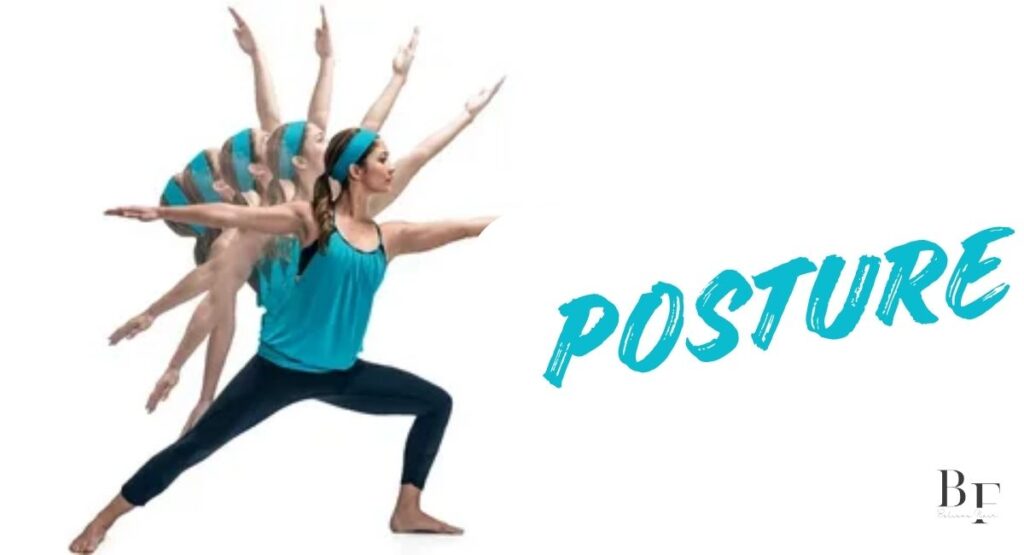
Poor alignment can silently damage your back over time. When you slouch or lean forward for long periods, muscles tighten unevenly, creating tension and pressure on spinal joints. Correcting posture can dramatically reduce pain and promote better function.
Sit with both feet flat on the floor, shoulders relaxed, and your lower spine supported by a cushion or lumbar roll. During standing activities, keep your core slightly engaged and distribute your weight evenly. Practicing good posture daily improves your overall stability and prevents future injury.
Use Heat and Cold Therapy the Right Way

Alternating heat and cold can offer immediate relief from inflammation and muscle tightness. Cold therapy is best during the first 24 to 48 hours of an acute injury, as it constricts blood vessels and limits swelling. Later, heat therapy helps relax stiff muscles and improves circulation, promoting healing.
Apply ice packs for 15–20 minutes at a time, then switch to a warm compress or heating pad once swelling subsides. Be cautious not to apply direct heat or ice to bare skin to prevent irritation or burns.
Try Natural Pain Relief Methods at Home

Natural pain management can complement medical treatments. Herbal balms, essential oils, and massage techniques can reduce tension in affected muscles. Therapy methods such as acupressure or gentle chiropractic adjustments can also promote healing through improved circulation and mobility.
For mild to moderate back discomfort, some people find relief from yoga, deep breathing, or meditation, which lowers stress hormones that amplify pain signals. Always consult a professional before starting new care methods if you have chronic conditions or past injuries.
Adjust Your Lifestyle and Environment

Your daily routine and surroundings play a significant role in how your back feels. Ergonomic furniture, adjustable chairs, and proper workstation alignment support your spine and prevent fatigue during long working hours. Regular breaks to stretch and walk help sustain healthy movement patterns.
Avoid carrying heavy bags on one shoulder or wearing unsupportive shoes, as these habits can affect balance and cause uneven strain. A well-planned lifestyle that encourages posture awareness and consistent activity is one of the best forms of long-term care for your back.
Eat and Drink for a Healthier Back

Diet and hydration directly influence your spine’s health. Foods rich in omega-3 fatty acids, vitamin D, and calcium support bone strength and reduce inflammation. Maintaining balanced nutrition ensures your muscles and joints receive the necessary energy for proper function.
Drink enough water throughout the day to prevent disc dehydration, which can cause stiffness and pain. A diet filled with fruits, leafy greens, lean protein, whole grains and fresh juices improves your body’s healing ability and overall wellness.
Manage Stress and Sleep Better

Chronic stress can tighten muscles, worsen inflammation, and amplify pain signals. Techniques like mindfulness, meditation, or breathing exercises promote relaxation and healing. Managing stress supports better circulation and reduces unnecessary tension in your spine.
Restorative sleep is also critical. Aim for 7–9 hours per night and maintain a consistent bedtime routine. Ensure your mattress offers enough support to keep your spine in neutral alignment. Quality rest enhances energy levels, strength, and endurance for daily activity.
Quick Fixes for Sudden Back Pain

Sometimes, pain strikes unexpectedly. Immediate relief can be achieved by lying flat on your back with your knees bent and feet flat to reduce spinal pressure. Gentle stretching of the hamstrings and lower back muscles can also release sudden tightness.
If the pain persists, short-term heat therapy or an over-the-counter pain-relief cream may help. However, avoid relying solely on temporary fixes. Addressing the root cause with consistent care and exercise ensures sustainable healing.
When to See a Doctor for Persistent Pain

While many home remedies provide effective relief, certain signs indicate it’s time for medical evaluation. Seek professional help if your pain lasts longer than two weeks, radiates down your legs, or is accompanied by numbness, weakness, or fever. These symptoms could point to nerve compression or underlying structural issues in the spine.
A healthcare provider can recommend imaging tests or physical therapy tailored to your condition. Early diagnosis ensures better outcomes and prevents long-term damage to joints and muscles.
Summary — Your Back Deserves Daily Care

Managing back discomfort requires consistency and patience. Regular exercise, proper posture, balanced nutrition, and stress management form the foundation of effective care. Integrating these natural strategies enhances your wellness, improves mobility, and prevents future injury.
Remember, small daily actions create lasting impact. Support your spine with mindful movement, prioritize rest, and maintain healthy habits. With dedication and attention, your back can regain its natural strength, flexibility, and comfort — one day at a time.
FAQs
1. What is the fastest home remedy for back pain?
Applying heat therapy or using an ice pack for 15–20 minutes can quickly ease muscle tension and reduce inflammation for instant relief.
2. What to drink for severe back pain?
Drinks like turmeric milk, ginger tea, or tart cherry juice have natural anti-inflammatory properties that help reduce back pain from within.
3. What is a natural pain killer for back pain?
Turmeric, ginger, and capsaicin cream act as natural painkillers that soothe sore muscles and promote healing without medication.
4. Is walking good for lower back pain?
Yes, gentle walking improves circulation, strengthens your core, and supports spinal mobility, helping reduce lower back stiffness.
5. Is heat or ice better for back pain?
Use ice for new or sudden pain to reduce swelling, and heat for chronic pain to relax tight muscles and improve blood flow.

Welcome to Believe Flair. Iam Qasim Ali, an AI-Powered SEO, and Content Writer With years of Experience. I help Websites rank higher, Grow traffic and amazing. My Goal is to make SEO and Web designing simple and effective for everyone. Lets achieve more together!